

🇫🇷🇫🇷🇫🇷
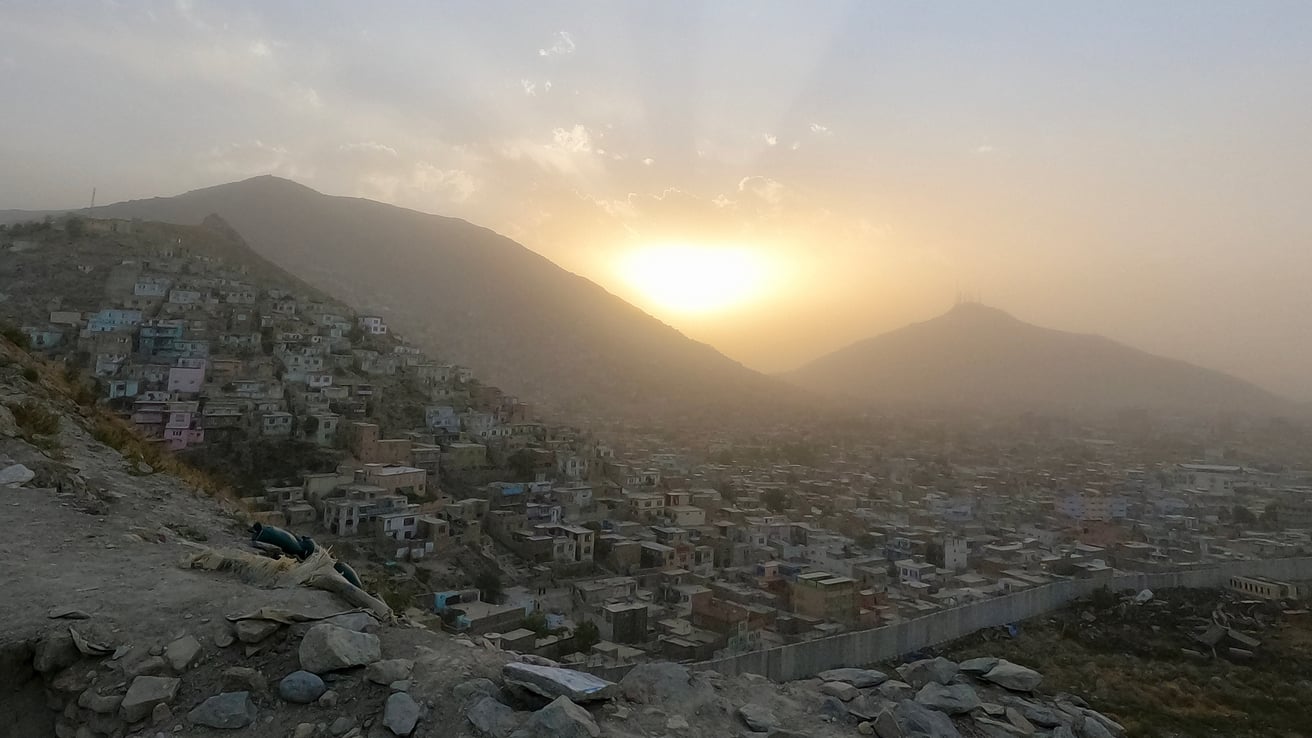
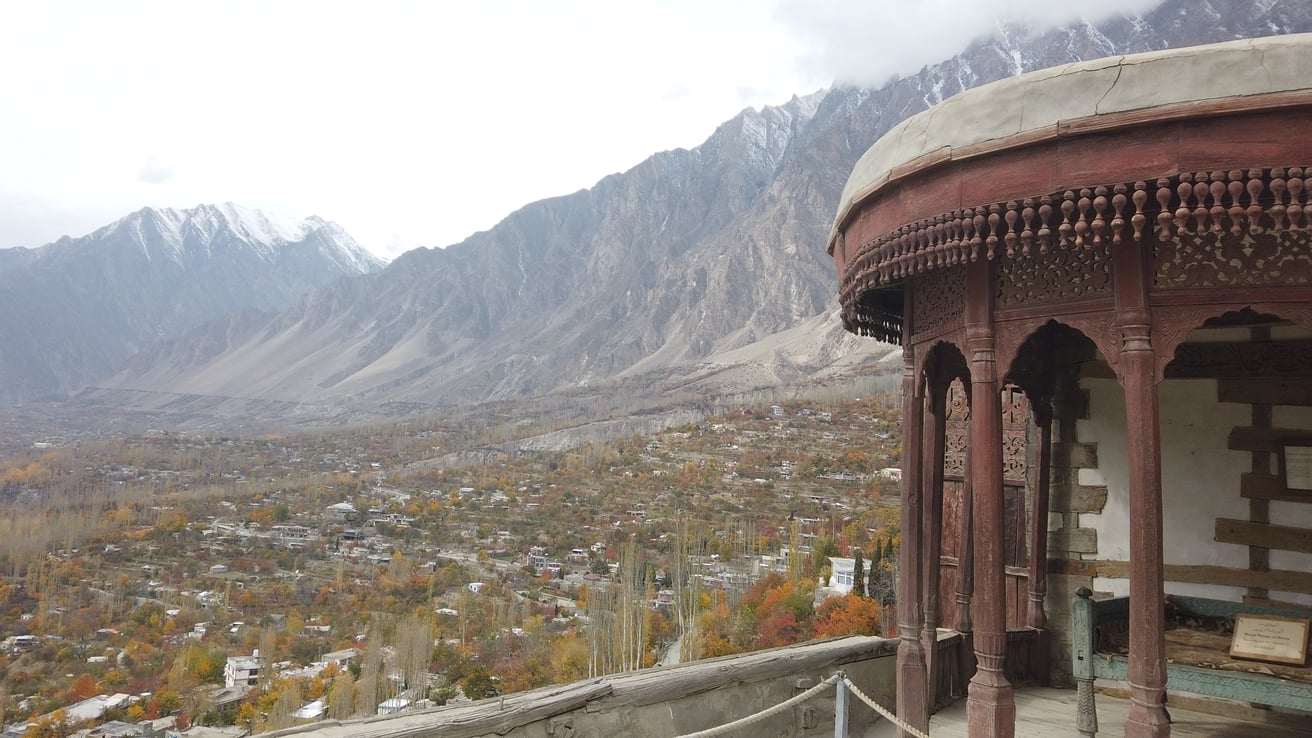
Dans les vallées de l’Himalaya, la vie coule différemment.
L’existence est rythmée par le changement des saison, qui fait ces creux entre les plus hauts sommets du monde paradis vert ou enfer blanc.
L’eau descend des hauts glaciers; d’après la légende elle apporte santé et longévité. Les yaks y sont élevés en semi-liberté, puis tués pour leur viande. On dispose la tête tranchée à l’entrée de la boucherie pour appâter le passant.
L’Hiver y est âpre et dur. La production électrique n’y est pas suffisante, et le ballon d’eau chaude un luxe rare.
Quand viennent la froidure et la neige, les familles se blottissent dans leurs maisons froides, sous des monceaux de couverture en polaire synthétique “Made in China”.
Les hommes qui travaillent à l’extérieur s’enroulent dans de longues couvertures de laine brute qu’on appelle des tchadors, comme les étoffes noires que portent les femmes religieuses de l’Iran voisin.
La nature y est incroyablement dure 4 mois par an, et incroyablement généreuse le reste du temps. Les rivières regorgent de truites, les verges de fruits et les montagnes de pierre précieuses. On en fait péter des pans entiers à la dynamite pour récupérer saphirs, émeraudes et rubis.
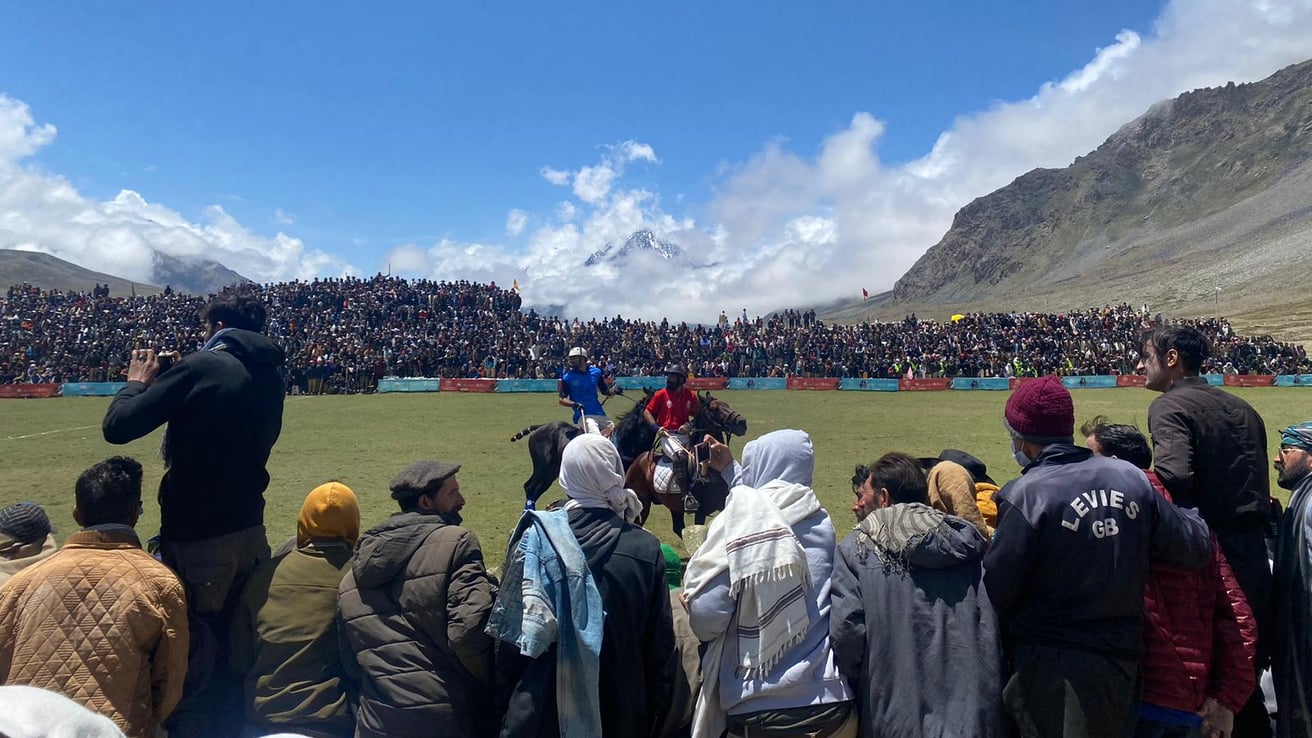
Les touristes pakistanais ne s’y trompent pas et viennent chaque été échapper à la chaleur dans l’une des plus belles régions du monde.
En novembre, les nuages accrochent aux montagnes, on fait rentrer les enfants et les troupeaux. Les premières chutes de neige couvrent les nids-de-poule des routes défoncées qui serpentent au fond des gorges, et relient ces villages du bout du monde les uns avec les autres.
J’ai arpenté l’Himalaya pakistanais, j’ai senti le froid pénétrant et admiré les hautes sphères.
J’ai souffert sur les chemins rocailleux et j’ai soufflé sur le thé chaud qu’on offre à l’étranger de passage.
Et j’y reviendrai.
🇬🇧🇬🇧🇬🇧
In the valleys of the Himalayas, life flows differently.
Life is punctuated by the changing seasons, which make these hollows between the highest peaks of the world a green paradise or a white hell.
Water flows down from the high glaciers; the legends say it brings health and longevity. The yaks are raised in semi-freedom, then killed for their meat. The severed head is placed at the entrance of the butcher's shop to lure the passerby.
Winter is harsh and hard. There is not enough electricity and the hot water tank is a rare luxury. When the frost and snow come, families huddle in their cold houses under piles of "Made in China" synthetic fleece blankets.
Men who work outside wrap themselves in long blankets of raw wool called chadors, like the black cloths worn by religious women in neighbouring Iran.
Nature here is incredibly tough four months of the year, and incredibly generous the rest of the time. The rivers are packed with trout, the yards with fruits and the mountains with precious stones. Entire sections are blasted with dynamite to extract sapphires, emeralds and rubies.
The Pakistani tourists are not mistaken and come every summer to escape the heat in one of the most beautiful regions of the world.
In November, the clouds cling to the mountains, the children and the herds are brought in. The first snowfalls cover the potholes of the broken roads that wind their way through the gorges, linking these villages at the end of the world with each other.
I have wandered in the Pakistani Himalayas, felt the penetrating cold and admired the high spheres.
I have suffered on the rocky paths and blown on the hot tea offered to the passing stranger.
And I will return.